Garden waste removal Ponders End tip and recycling guide
Posted on 13/07/2026
If your garden has turned into a tangle of cuttings, broken pots, soil bags and hedge trimmings, you are not alone. A proper garden waste removal Ponders End tip and recycling guide helps you clear everything safely, sort what can be recycled, and avoid the usual last-minute scramble. It also saves a lot of time when a simple weekend tidy-up suddenly becomes a small mountain of green waste. Truth be told, that happens more often than people admit.
This guide walks you through the practical side of garden clearance in Ponders End: what counts as garden waste, how removal works, what can be recycled, where people often go wrong, and how to choose the most sensible option for your situation. If you want a cleaner garden without making a mess of the disposal side, you are in the right place.
Quick takeaway: separate green waste, reuse what you can, keep soil and rubble apart from foliage, and choose a disposal route that matches the amount and type of waste you actually have. Simple enough on paper. In real life, the bag of mystery clippings is usually the bit that causes the delay.
Why Garden waste removal Ponders End tip and recycling guide Matters
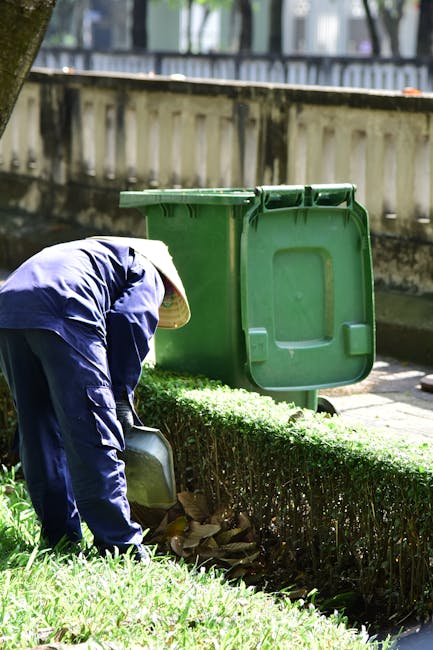
Garden waste is one of those things that looks harmless until it starts taking over the patio, the side return, or the back of the shed. Grass cuttings smell fine for a day or two, then not so much. Branches get awkward. Old compost bags split. And once you mix in a few random items like broken planters, fencing offcuts, or a rusty grill, disposal becomes a bit less obvious.
For Ponders End households, the main reason this matters is practical. Space is tight for many homes, wheelie bins are not designed for a full hedge reduction, and leaving a pile to sit around can attract pests or create a slippery mess after rain. If you have ever stepped over a sack of wet leaves on a dark evening, you will know the feeling. Not ideal.
There is also the recycling side. A lot of garden material can be recovered, composted, chipped, or otherwise diverted away from landfill. That means better environmental outcomes and, in many cases, a tidier and more efficient clearance process overall. The goal is not just to throw everything away. It is to sort it properly.
For people planning a larger clear-out, it can also connect with broader household tidy-ups. Some customers pair garden work with house clearance in Enfield or even a wider tidy through domestic waste collection in Enfield. That approach often feels more manageable than trying to solve every pile one bag at a time.
How Garden waste removal Ponders End tip and recycling guide Works
The process is usually straightforward, but the details matter. Garden waste removal generally starts with identifying what is actually garden waste and what is something else. Leaves, grass, hedge trimmings, branches, weeds, and plant cuttings are the obvious examples. Then there are the mixed items: flowerpots, damaged trellis, old soil, stones, lawn edging, or broken garden furniture. Those often need separate handling.
In practical terms, the workflow usually looks like this:
- Sort the waste into green material, reusable items, and non-garden waste.
- Check for contamination such as plastic ties, soil clumps, general rubbish, or food waste.
- Bag, bundle, or stack items so they are safe to move and easy to assess.
- Choose the right disposal route based on amount, weight, and material type.
- Send recyclable material for processing wherever possible.
That last point is where the recycling guide part really matters. Green waste is often suitable for composting or mulching, but only if it is clean enough. Soil and rubble can change the whole handling method. Treated wood or painted timber should be treated differently from fresh hedge trimmings. It sounds fussy, but it makes the end result better and more responsible.
If you are comparing disposal options, it can help to look at a company's wider approach to recycling and sustainability rather than focusing on speed alone. A fast collection is handy, yes, but the way waste is sorted afterwards is the bit that really tells you whether the process is well run.
Key Benefits and Practical Advantages
There are some clear upsides to handling garden waste properly, and they go beyond simply having a nicer-looking lawn.
- A tidier outdoor space: A clean garden looks bigger, calmer, and easier to use. That matters if you want to sit out, let children play, or just stop looking at a pile of cuttings every morning.
- Less mess indoors: Carrying waste carefully reduces muddy footprints, broken bags, and bits of soil turning up in the hallway.
- Better recycling outcomes: Cleanly separated green waste is far more likely to be composted or processed appropriately.
- Safer handling: Bundled branches, broken canes, and hidden nails in old garden timber can all be hazardous if thrown around carelessly.
- Faster collection: The better you sort things, the smoother the removal process tends to be.
There is also a less obvious benefit: it forces a quick reset. Once you start sorting old compost bags, the cracked plant pot, the dead lavender, and the leftover paving stone, you usually spot the next job you have been avoiding. Annoying? Maybe. Helpful? Definitely.
For busy households, that efficiency can be worth a lot. The same goes for landlords, letting agents, and anyone preparing a property between tenants. A fast, organised garden clearance often makes the whole place feel more presentable, which is why some people also explore pricing and quotes before choosing the most practical route.
Who This Is For and When It Makes Sense
This guide is useful for a wide range of people, not just keen gardeners. In our experience, the people who benefit most are the ones with more waste than their usual bin system can comfortably handle.
- Homeowners doing seasonal clear-ups after pruning, mowing, or landscaping.
- Tenants preparing a garden before moving out.
- Landlords and letting agents dealing with neglected outdoor spaces.
- Older residents who want help clearing heavy or awkward garden material.
- Busy families who need a quick and tidy solution after several weeks of growth.
- People undertaking DIY garden improvements and left with surplus soil, turf, or timber offcuts.
It makes sense whenever the volume is too much for ordinary household disposal, or when you need waste removed quickly without a long trail of bags left in the front garden. It also makes sense if you want to keep recyclable material separate rather than mixing everything into one awkward heap.
And sometimes, let's face it, you just want the back garden back. That is reason enough.
Step-by-Step Guidance
If you want a clean, efficient garden waste removal process, use a simple sequence. Nothing fancy. Just a method that keeps you from doing the same job twice.
1. Walk the garden and identify the waste
Start with a slow walk around the whole space. Look for cuttings, weeds, branches, soil bags, damaged fencing, broken ornaments, and anything else that is no longer part of the garden you actually want. A quick look is usually not enough. Things hide in corners, under hedges, and behind sheds.
2. Separate green waste from mixed waste
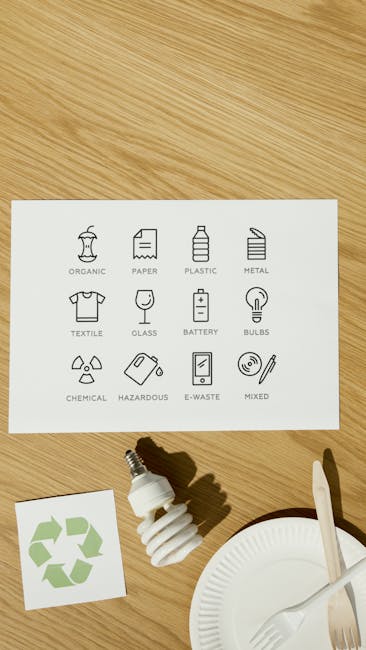
Green waste includes leaves, grass, hedge clippings, and plant material. Mixed waste may include plastic pots, wire, canes, old netting, soil, stones, or timber. Keep them apart from the start. It saves time later and makes recycling much easier.
3. Remove reusable items first
If you can reuse plant pots, edging, compost sacks, watering cans, or timber offcuts, set them aside. There is no virtue in throwing away something that could still do a job. Even a cracked pot can sometimes become a drain cover or a small planter base. A bit agricultural, but it works.
4. Bundle or bag with care
Use strong bags and keep bundles manageable. Wet grass is heavier than it looks. Branches should be tied securely, and sharp items should not be left loose. If you are working in the evening, use decent light; a torch across the garden at dusk can reveal more than you expect.
5. Decide whether you need a collection or a larger clearance
Small, light loads may suit basic removal. Bigger clearances, or mixed garden waste with timber, soil, and bulky items, usually need a more organised approach. If the job has grown beyond a tidy-up, a service like garden waste removal in Enfield is often the simplest option.
6. Make sure recyclable waste is actually recyclable
Clean foliage and branches are often suitable for recycling or composting, but anything contaminated with plastic, metal fixings, or general rubbish may need different handling. This is where a bit of discipline pays off. One contaminated bag can ruin a neat recycling pile.
7. Clear the area and do a final sweep
Once the main waste is gone, sweep paths, check under benches, and look for nails, broken glass, or small offcuts. The garden always looks better after a final pass. Always.
Expert Tips for Better Results
A few small habits make a surprisingly big difference, and they are the kind of thing people usually learn the hard way.
- Cut waste down before moving it: Long branches are awkward, and awkward equals slow. Shortening them makes loading easier.
- Keep wet and dry waste apart where possible: Wet clippings get heavier and can start to smell if left too long.
- Use separate piles for green waste, soil, and hard materials: This helps with recycling and avoids last-minute sorting.
- Check for hidden contaminants: Twine, plastic plant labels, old garden ties, and broken bits of hose often get buried in the pile.
- Plan around access: Narrow side passages and shared entrances make a difference. Measure if you need to.
One thing people often overlook is timing. After a wet spell, a garden clearance can feel twice as heavy and twice as messy. On a dry morning, by contrast, the same job often feels much more manageable. Small detail, big difference.
If you are dealing with a bigger household project as well, you may find it useful to look at broader support such as services overview or even about us if you want to understand how the wider operation is set up before you book anything. People do like to know who is handling their waste. Fair enough.
Common Mistakes to Avoid
Most garden waste problems are not dramatic. They are just annoying, expensive, or time-consuming because of a few avoidable slip-ups.
- Mixing everything together: Green waste, soil, rubble, and household rubbish should not all go into one pile unless you enjoy sorting later.
- Overfilling bags: Overpacked sacks split, and split sacks create extra work. Nobody wants the midnight bag explosion on the front path.
- Leaving waste exposed for too long: Rain, wind, and pets all make matters worse.
- Forgetting about hidden heavy material: Soil and stones can make a pile much heavier than it looks.
- Ignoring safe lifting: Twisted backs are not part of garden maintenance.
- Assuming all green waste is the same: Compostable cuttings are one thing; contaminated waste is another.
Another common mistake is using a disposal route that suits one part of the load but not the rest. For example, branches and lawn cuttings may be easy enough, but if you also have old timber, plant pots, and a half-broken bench, the job becomes mixed waste. That is where a more complete collection service often makes better sense than trying to force everything into a single bin solution.
Tools, Resources and Recommendations
You do not need a shed full of specialist kit to manage garden waste well. A few sensible tools go a long way.
| Item | Best use | Why it helps |
|---|---|---|
| Heavy-duty sacks | Leaves, cuttings, weeds | Reduces splitting and spills |
| Garden shears or loppers | Branches and thick stems | Makes bundling safer and neater |
| Rake and broom | Final clear-up | Helps remove small debris and soil |
| Work gloves | General handling | Protects against splinters and sharp edges |
| Tarp or sheet | Dragging waste to a collection point | Prevents scattering across paths |
For many homes, a tarp is a particularly underrated bit of kit. It sounds dull, but it saves constant trips back and forth with small armfuls of debris. That kind of thing adds up fast.
If your garden project is part of a bigger clear-out, it may be worth reviewing related support options such as builders waste removal in Enfield for landscaping leftovers, or white goods and appliance disposal in Enfield if your outdoor project has turned into a wider property refresh. Mixed projects often need mixed solutions.
Law, Compliance, Standards, or Best Practice
Garden waste removal is not just about convenience. In the UK, waste should be handled by people and services that deal with it responsibly. You do not need to be an expert in the legal side to make a sensible choice, but it is wise to follow a few basic standards.
First, make sure anyone collecting waste is properly authorised to carry and manage it. Responsible waste handling is not a nice-to-have. It is part of making sure the material ends up where it should. Second, do not dispose of waste in a way that risks fly-tipping, blocked access routes, or damage to shared areas. Third, keep a practical record of what is being removed if the job involves a larger clearance or mixed materials. That is just good housekeeping.
Best practice also means sorting waste honestly. Soil is not green waste. Treated timber is not the same as fresh hedge cuttings. Old fencing may contain fixings, paint, or other contaminants. If a collection company talks clearly about how they handle sorting and disposal, that is a positive sign.
If you want extra reassurance before booking, it is sensible to check a provider's page on waste carrier licence and compliance alongside their insurance and safety information. Those pages help you understand whether the service is set up professionally, without needing to guess.
There is also a privacy and payment side. If you are getting a quote online or over the phone, you may want to know how your details are handled and how payment works. That is why pages such as payment and security and privacy policy can be useful reference points before you commit.
Options, Methods, or Comparison Table
Choosing the right disposal method depends on how much waste you have, how mixed it is, and how quickly you want it gone. Here is a simple comparison.
| Option | Best for | Pros | Limitations |
|---|---|---|---|
| Home composting | Clean plant matter, leaves, soft cuttings | Low cost, good for reuse, environmentally sensible | Not suitable for everything; slow to process |
| Garden bagging and bin use | Small regular amounts | Convenient, simple, familiar | Limited capacity; not ideal for bulky jobs |
| DIY tip run | Mixed loads if you have the vehicle and time | Direct control over sorting | Can be tiring, time-consuming, and messy |
| Professional garden waste removal | Large, heavy, or mixed clearances | Fast, efficient, less lifting, better for bulky waste | Usually costs more than doing it yourself |
For many people, the choice comes down to effort versus convenience. A small compostable load is one thing. A wet heap of hedge cuttings, broken canes, old soil, and two damaged planters is another. If the job is starting to feel like a weekend lost to wheelbarrow runs, a professional collection is often the calmer option.
People often also look at local service coverage when planning that decision, especially if the waste sits alongside other household items. A broader service page like services overview can help you understand what kinds of jobs are typically handled together.
Case Study or Real-World Example
Here is a typical Ponders End scenario. A family finishes pruning a long, overgrown back boundary after a spring tidy-up. At first it looks manageable: a few branches, a couple of black sacks, and some dead ivy. Then the pile grows. There is the old plastic edging they forgot about, a cracked planter, three bags of damp grass cuttings, and a small mound of soil from where they lifted a border.
They start with the obvious green waste, but halfway through it becomes clear that the load is mixed. The branches are fine to bundle. The soil is heavy. The planter is recyclable only in the broadest sense, not in the same stream as the foliage. By the time they have sorted it properly, the pile is much more orderly, and the collection goes through without fuss.
The useful lesson is simple: the earlier you sort, the less friction you create later. They also realised they had been keeping a few reusable items in the shed without using them. A couple of decent pots were saved. The old planter base found a second life in a raised bed. Not glamorous, but genuinely useful.
That same approach often works alongside other clear-outs too. A garden tidy can easily become part of a larger property reset, which is why some people combine it with organising your belongings before house clearance when there is more than one area to tackle. It keeps the whole job feeling less scattered.
Practical Checklist
Use this checklist before you arrange removal or head to a recycling route.
- Have I separated green waste from soil, rubble, and household rubbish?
- Have I removed reusable items such as pots, tools, or edging?
- Are branches bundled safely and bags not overfilled?
- Have I checked for hidden plastic ties, metal fixings, or glass?
- Do I know whether the waste is light, heavy, bulky, or mixed?
- Is access clear for moving bags or loading waste?
- Do I need a simple collection or a fuller clear-out?
- Have I checked whether the provider handles waste responsibly and safely?
- Have I kept any items I may want to reuse or donate later?
- Have I done a final sweep for small debris?
Small extra tip: if you are clearing the garden after a windy spell, check the fence line and borders twice. That is where loose plastic and hidden debris love to hide.
If you are preparing to book a collection and want to compare options without pressure, the safest place to start is with a clear, itemised overview of what is included. A transparent approach beats a vague one every time, especially for mixed outdoor waste.
Get a free quote today and see how much you can save.
Conclusion
A good garden waste removal Ponders End tip and recycling guide is really about making life simpler: sort the waste properly, protect the recyclable material, and choose the disposal method that fits the real size of the job. Once you do that, the whole process becomes less of a burden and more of a reset. Cleaner paths, clearer borders, fewer bags sitting around for days. Nice, honest progress.
Whether you are clearing a few trimmings or dealing with a much larger outdoor overhaul, the key is to stay practical. Do the sorting early, avoid mixing waste streams, and do not underestimate how heavy garden waste becomes once it is wet. That is the bit everyone forgets until they are carrying it.
And if the job has simply become too much for a weekend bin plan, that is fine too. Sometimes the sensible choice is the one that gets the garden back in shape without leaving you knackered afterwards. There is no prize for doing it the hard way.
A tidy garden has a way of making the whole home feel a little lighter. That is worth the effort.